Robert Jenkins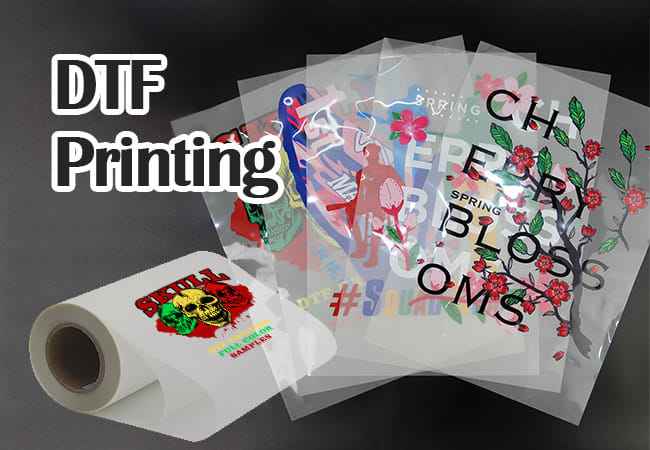
One of the latest methods of creating colourful graphics on garments, direct-to-film, or DTF printing has become a preferred mode. No more old market screen printing, imprinted graphics with this printing device for creating detailed style prints.
Even so, not every fabric acts alike. Your choice of material can impact not only the final look and feel of your print but also its longevity.
What is DTF Printing?
The process of DTF printing consists of printing a design on a special type of film and then using heat and pressure to transfer it onto fabric. It uses a bonding powder that assists the design in sticking to the material.
One advantage is its versatility. DFT prints on many fabric types − unlike some printing methods.
If you are looking for some of the best DTF printing in Melbourne, then ask your printer when they provide the fabrics that it suits your print and fabric.
Cotton: A Popular Choice
Cotton is the main fabric used in T-shirts, hoodies, shirts, and casual wears. This surface is smooth enough that it can create a decent foundation for DTF transfers.
When the fabric is prepared adequately, the print can render sharp details and bright colours.
Cotton will shrink if washed and dried incorrectly, though. Always follow the garment’s garment care instructions to help preserve the completed design!
Polyester and Sportswear
You can find polyester in sports clothing for the fact that it is moisture-resistant and only lightweight. When correct heat settings are used, DTF printing can also print nicely on garments, such as polyester.
Heat-sensitive fabrics need particular care. Too much heat can spoil the garment or leave unwanted marks.
A professional will alter the transfer process according to the material.
Cotton-Polyester Blends
Blended textile is a combination of properties from different materials. RTB garments (cotton-polyester mix) are used widely in uniforms, work, and casual clothing.
A blender on which DTF transfers may work well. However, the result may vary due to fabric composition and surface finish.
Always test a new style before working on a full batch.
What About Dark Fabrics?
DTF works for dark and light clothing. Using a white base layer allows colour to pop against darker materials.
This is what makes the process valuable for bold logos, illustrations, and promotional designs.
Transfer quality, however, is still paramount and the transposition can create combination inattention hallucinations. Incorrect application can lead to cracking, peeling, or an uneven finish.
DTF Printing vs Embroidery
That’s not the only way to decorate clothing via DTF. Embroidery gives a stitched, textured finish which works really well for uniforms and workwear.
For instance, if you want to have a raised fabric design instead of a printed graphic, patch identification also offers long-lasting options like custom embroidery patches Melbourne.
The choice of what is best is more dependent on the garment, design, and desired look.
Choosing the Right Printing Service
A good printer will be able to describe how different materials impact the final result.
Inquire about fabric testing, wash longevity, and most appropriate care. Before you place large purchase orders, it is also a good idea to request samples.
In fact, if you need T-shirts, uniforms, or even promotional clothing, DTF printing Melbourne delivers fine details on large scale designs for a broad spectrum of fabrics.
Final Thoughts
DTF printing provides versatility and high-quality colour reproduction on most popular fabrics. When the correct transfer process is applied, cottons, polyesters, as well as blended materials also become apt.
Select your fabric according to the wear and care of the item. If your designs need that textured look, then custom embroidery patches in Melbourne is another option you can consider.
The right fabric, transfer, and care combination can help your custom clothing look sharp and extend its life.

 Austin Murphy